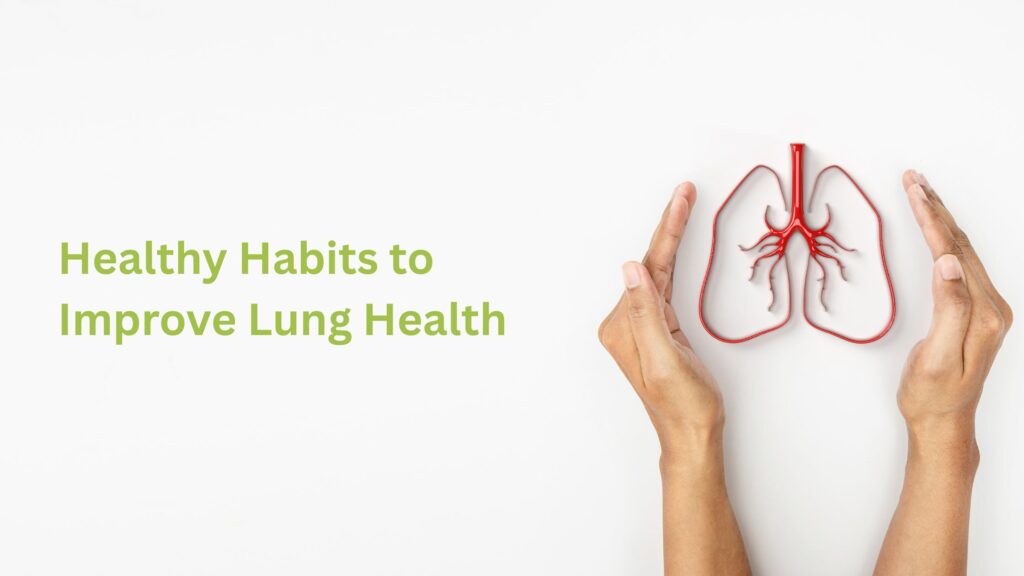
Quitting smoking is one of the best decisions you can make for your health. The moment you stop smoking, your body begins to repair the damage caused by tobacco. However, your lungs need extra care to recover fully and function at their best. By adopting a few healthy habits, you can speed up the healing process, improve breathing, and reduce the risk of future lung problems.
1. Stay Physically Active
Regular exercise is a natural way to strengthen your lungs. Physical activity increases oxygen flow, enhances lung capacity, and improves overall respiratory health.
- Try: Brisk walking, swimming, cycling, or yoga.
- Tip: Start with 20–30 minutes of light exercise daily and gradually increase intensity.
2. Practice Deep Breathing Exercises
Deep breathing and lung exercises help your lungs expand fully and remove leftover toxins.
- Techniques to try:
- Diaphragmatic Breathing (Belly Breathing) – Inhale deeply through your nose, letting your stomach rise, then exhale slowly.
- Pursed-Lip Breathing – Inhale through your nose, then exhale slowly through pursed lips, as if whistling.
- Benefit: Reduces shortness of breath and strengthens respiratory muscles.
3. Eat a Lung-Friendly Diet
A balanced diet can boost immunity and repair lung tissue.
- Include:
- Fruits rich in vitamin C (oranges, berries)
- Vegetables high in antioxidants (broccoli, spinach)
- Omega-3 fatty acids (walnuts, flaxseeds, salmon)
- Avoid: Processed and fried foods, which can increase inflammation.
4. Stay Hydrated
Drinking plenty of water helps thin mucus in the lungs, making it easier to expel toxins and improve airflow.
- Tip: Aim for 8–10 glasses of water daily, and include herbal teas like green tea for their antioxidant benefits.
5. Avoid Polluted Environments
Your lungs are sensitive after quitting smoking. Protect them from pollutants, smoke, and allergens.
- Habits to adopt:
- Avoid secondhand smoke and highly polluted areas.
- Use an air purifier at home if you live in a city.
- Wear a mask in dusty or polluted environments.
6. Get Enough Sleep
Quality sleep allows your body to repair itself and boosts immune function, which supports lung recovery.
- Tip: Aim for 7–8 hours of uninterrupted sleep each night.
7. Schedule Regular Health Checkups
Even after quitting, it’s important to monitor your lung health.
- Do:
- Regular spirometry or lung function tests
- Annual checkups with your doctor
- Why: Early detection of any respiratory issues leads to better treatment outcomes.
Conclusion
Recovering from the damage of smoking takes time, but with the right lifestyle choices, your lungs can regain strength and functionality. Stay active, eat a nutrient-rich diet, practice deep breathing, and protect yourself from environmental pollutants. By following these healthy habits consistently, you’ll not only improve lung health but also boost your overall quality of life.