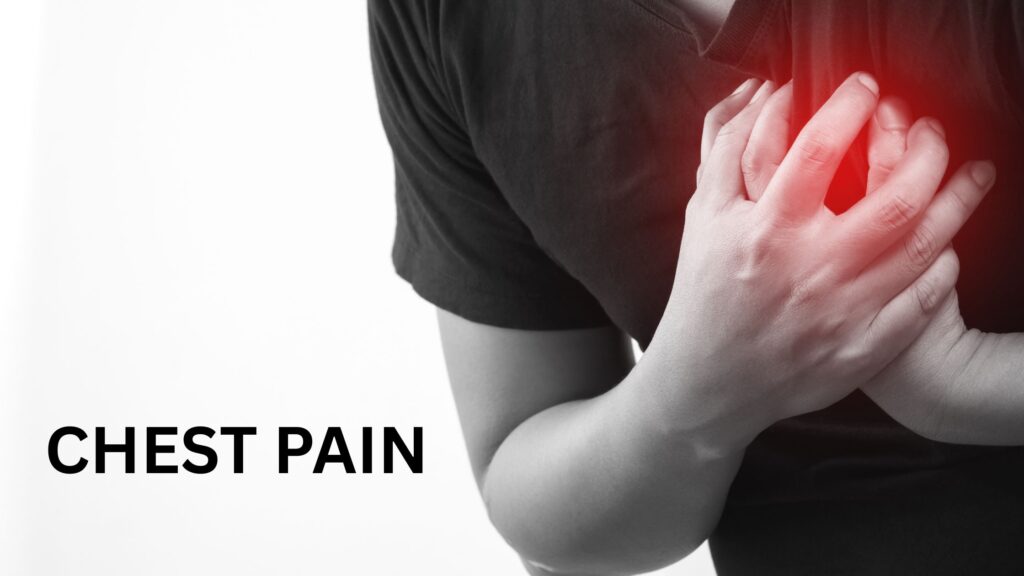
When most people think of chest pain, the first fear that comes to mind is a heart attack. While chest pain is a key warning sign of cardiac arrest, it’s not always the heart that’s to blame. In fact, many non-cardiac conditions can cause chest pain—some of which are equally serious and require urgent attention.
- Pulmonary Embolism (PE)
A pulmonary embolism occurs when a blood clot travels to the lungs, blocking a pulmonary artery. The pain from PE is often sudden, sharp, and worsens with deep breathing or coughing. It may be accompanied by:
- Shortness of breath
- Rapid heartbeat
- Coughing up blood
- Feeling lightheaded or faint
PE is a medical emergency, and without quick treatment, it can be fatal. People who’ve recently had surgery, been immobile, or are on birth control pills are at higher risk.
- Pneumothorax (Collapsed Lung)
A collapsed lung can cause sudden, intense chest pain on one side, often along with shortness of breath. This happens when air leaks into the space between the lung and chest wall, causing part or all of the lung to collapse.
This can occur spontaneously, especially in tall, thin individuals or people with underlying lung disease, or as a result of trauma (like a car accident).
Seek emergency care if this is suspected, as untreated pneumothorax can worsen rapidly.
- Gastroesophageal Reflux Disease (GERD)
GERD, commonly known as acid reflux, can mimic the pain of a heart attack. Stomach acid backing up into the esophagus causes a burning chest pain, especially after eating, lying down, or bending over.
Key differences:
- Pain often improves with antacids
- May be accompanied by a sour taste or regurgitation
- Rarely causes shortness of breath or radiates to the arm
Though not immediately life-threatening, chronic GERD can damage the esophagus and increase cancer risk. Persistent symptoms should be evaluated by a doctor.
- Costochondritis (Chest Wall Inflammation)
Costochondritis is the inflammation of the cartilage that connects your ribs to the breastbone. It can cause sharp or aching pain in the chest, which may worsen with movement, coughing, or pressing on the area.
This pain is usually harmless, though it can be alarming. However, ruling out cardiac causes is essential, especially if you’re older or have risk factors like high blood pressure or diabetes.
- Panic Attack or Anxiety Disorders
Panic attacks can create intense chest pain and mimic symptoms of a heart attack. The pain is often accompanied by:
- Rapid breathing
- Heart palpitations
- Dizziness
- Sweating
- Feeling of impending doom
While the heart isn’t under threat, repeated panic attacks require treatment. Anxiety and stress can also contribute to real cardiac issues over time.
- Pneumonia or Pleurisy
Lung infections such as pneumonia or inflammation of the lung lining (pleurisy) can cause deep, stabbing chest pain that worsens with breathing or coughing.
Other signs include:
- Fever
- Cough with sputum
- Fatigue
- Shallow breathing
Prompt treatment with antibiotics or anti-inflammatory medication is often required to prevent complications.
When to Seek Emergency Help
Even if you suspect your chest pain is not heart-related, Seek immediate care if:
- Pain is sudden or severe
- Accompanied by breathlessness, fainting, or dizziness
- Radiates to jaw, arm, or back
- Involves coughing up blood
- Happens during exertion or stress
Final Thoughts
Not all chest pain is a heart attack—but that doesn’t make it harmless. Whether it’s your lungs, stomach, muscles, or even your mind, understanding the cause is the first step to proper care. Never self-diagnose or delay medical attention. Trust your instincts and get evaluated—your life might depend on it.